Happy New Y(ear)s!
Welcome to 2026.
I am genuinely excited about the year ahead at Barclay Winter Audiology. There is a great deal of new hearing technology on the horizon, and 2026 is shaping up to be a strong year for innovation, choice, and improved outcomes for people with hearing concerns.
One product I am particularly looking forward to is the Oticon Zeal (Figure 1). This will be the first rechargeable, in-the-canal hearing aid that is both discreet and fully wireless. I am expecting this technology to arrive around Q2 this year, and it represents a meaningful step forward for people who want a subtle hearing solution without compromising performance or connectivity.
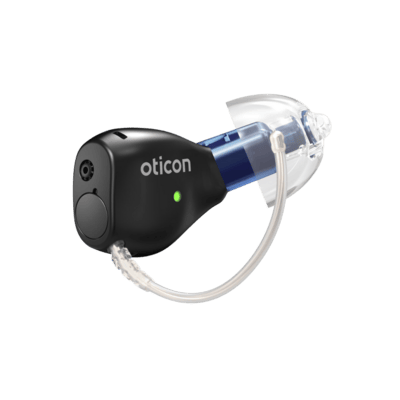
Figure 1: The Oticon Zeal being released in 2026
What excites me most about the Oticon Zeal is who it is suited for. It is an excellent option for people who do not want a device that blocks airflow in the ear, interferes with glasses, or sits visibly behind the ear. If discretion is important to you, or if you simply want a modern hearing solution that feels less intrusive, this product will be well worth considering.
Beyond new technology, 2026 is also a year of continued growth for the clinic. I am looking forward to expanding our services, meeting new people in the community, and strengthening the relationships we already have with our existing patients. As the clinic moves further into its seventh year, I am seeing more returning patients as funding renews and hearing needs change over time, which is a privilege to be part of.
As always, my focus remains on providing independent, evidence-based advice and genuinely personalised care. A key part of this is ensuring people are given real choice, including choice in technology, style, and approach, so decisions are guided by individual needs, preferences, and lifestyles rather than a one size fits all solution. I am excited about what lies ahead and look forward to sharing more updates as new technology becomes available throughout the year.
Here’s to a happy and healthy New Y(ear)s.